Monday, 30 July 2018

'The pathway to hell is filled with good intentions'.

Thanks, Mrs. Jackson, King Eddies Rosehill, upper 6th circa 1999. How accurately you saw into my WSET study future.


I'd say the crumbling point was precisely the moment I threw Jancis Robinson's Wine Dictionary out the French windows in a dramatic, hormone filled, nappy encrusted, 'screw you' moment. Instant regret when the two year old (the reason all my study plans had gone down the proverbial) started parroting 'screw you Jancis' for the remainder of the day.

I mean 300 hours of study has got to be some sort of joke, right? I've covered this twice over and never felt ready. Those very same files in my brain have now been filed with new, more important information, like 'always remember to turn the fan off in son's room so he doesn't try and put his willy in it again' or 'exact calculations of wine I can drink X hours before breastfeeding' or 'when the f*** does Mr. B get home so I can go and hide in the garage'.

It all sounds terrible doesn't it? Well it's not, it's actually rather fulfilling. In a under-rested, over-milked sort of way; the way that clings onto every little nestle,every little 'You're quite nice Mummy', every little snotty,snorty giggle when trying to help wipe a bum/get X child dressed.

But here I am, digging out those damn notes. Wondering how I pour all this information back into my brain and find my own path again for when these little sleep invaders bugger off to school.

Any words of encouragement please?

WSET Diploma, YOU ARE MY NEMESIS.

(No wine reviews this week kiddos, Mummy has lost the plot).

Thursday, 8 September 2016

It's wine, but not as we know it.

Or rather, not as I remember it.

Two years into my WSET Diploma and studying has grinded to a halt under a massive pile of nappies, baby food and breast pads.  That said, we are pretty much out the other side with the wee lady hitting one. So sometimes, I have my evenings to myself. Sometimes.

Cue screaming infant...

So the benefits of having a baby include (apart from the obvious), having a compulsory (temporary) hiatus in consuming wine (I think there are some health benefits) EVERY. SINGLE. NIGHT.  Also, it gives me a break from studying as 50% of my brain sodded off to Disneyland, Champagne in hand, never to be seen again, at around 3 weeks after conception.   So I'm working on finding that again soon. Hopefully alongside my palate. All damn wine tastes different now.

So my approach is somewhat more scattered as I approach this blog, despite having a long while to plan it. It's literally what plops in my shopping trolley each week.  Today, its a red and a white from Aldi.

Clare Valley Riesling (Rees-ling), Australia, £6.99

Some people freak when they hear Riesling as they think it's sweet. Not always so. This is bone-dry, incredibly zesty with zippy grapefruit and lime. This needs to be lovely and chilled, in my opinion, to calm the lime down. But if you like a zesty Sauvignon Blanc, I'd say give this a try. Plus, it's only £6.99 for a wine from the beautiful, Clare Valley, which is famous for its sublime wines, thanks to it's cooling breezes and cold nights. Which is good for happy grapes. Definitely needs a few hours in the bottom of the fridge soon first. Nice one, Aldi. I'd have this any day of the week*. 

Stellenbosch Cape Red Blend, South Africa, £5.49

Stellenbosch is another big hitter both in terms of wine regions and wine styles.  This one has a screw top (easy access - tick) and promises a medium to full bodied red made from Grenache (fruity and alcoholic), Shiraz (pepper spice) and Mourvedre (full bodied, rustic), otherwise known as a GSM blend. It advises consumption with rich or cured meats. Yes, maybe. Its not as full bodied or complex as I'd have liked but for the price its a nice red with a little warmth of spice. I wouldn't really have to eat with it either. Maybe one for slightly cooler weather as the 14.5% does warm your cheeks a little.
All-in-all a nice, well priced red to have in stock. 

*Key
Monday wine - It doesn't really matter what it tastes like. 
Tuesday wine - Optimistic, something quite light. 
Wednesday - Mid week party! Lets drink something fine to celebrate!
Thursday - Slightly regret Wednesday, so something light to sip on.
Friday - Surely the best wine? The whole bottle? I have a husband to help me!  
Saturday - Lets sit together and enjoy a good bottle of anything/pretend we are 30 again.
Sunday - Oh crap look its Monday tomorrow. We've drank everyday this week, let's not do that again.    

Thursday, 8 January 2015

Forget Abstinence and Drink Cocktails!

January's a bit pants, isn't it?


I originally put these together for Christmas but it seems a shame not to put them on here as we fast approach the weekend. I imagine a few of us will need a drink by then; those that aren't doing stop-January or dry month (or whatever)...for those that enjoy everything in moderation, here are some titivated cocktails to warm the cockles.

Ginger Beard’s Tottie Twist
Ginger Beard from
Wychwood Brewery


Ginger and whisky is a long standing, tried and tested combination but have you ever tried to add ale into the equation? Add an extra kick with ginger beer, or more specifically, a Ginger Beard!  We used Wychwood Ginger Beard (100ml) as it is ale-based and adds extra depth of flavour, to 25ml of whisky (try different styles to discover your favourite cocktail) and finish with a twist of fresh lime for a warming, spicy drink to knock the wind out of any winter blues.  As an alternative, replace the lime with muddled mint or half an orange zest, juice and slice. 


Red Rum Prickly Punch

Foursquare
Spiced Rum

Hot rum punch – how that rolls around the tongue!  This rum-wine medley is sure to warm the cockles on the darkest, coldest evenings. Plus you can make a vat ready to dish out when neighbours start knocking the door, lusting after the spicy-sweet scent!  Warm a bottle of red wine on a low heat, while adding two tablespoons of granulated sugar, one whole clove, one whole star anise, a cinnamon stick, half a lemon and one orange (both zested, juiced and sliced), just a pinch of nutmeg and finally spiced rum to taste (I use about 100ml); my favourite is Four Square Spiced Rum.  Reduce or increase rum to taste.


Kentucky Mulled Cider


If the hot rum punch was a little too rich for your taste, why not try a Kentucky Mulled Cider? Less spice, with the freshness of apple cider. Mix 25ml of Bourbon (I discovered this recipe from the Maker’s Mark website which works perfectly) with 250ml of hot apple cider, ¼ zested, juiced and sliced lemon and a cinnamon stick. Warm it all up on a low heat for 15 minutes – delicious!

Sbiten Russian Mulled Rum


The Russians must know a thing or two about winter warmers, right? Try Sbiten; or Russian Mulled Rum to you and I. Heat up 150ml of water and 50ml of spiced rum until nearly boiling. Then turn down the heat whilst stirring in two tablespoons of your favourite jam and one tablespoon of honey. Once all stirred in, add a pinch each of ground ginger, ground clove, ground cinnamon and ground nutmeg, simmer for five minutes and then it’s ready to go! Add more or less rum depending on how Russian you are feeling.

Now where is my spirits cabinet....

Sunday, 5 October 2014

This is my life and this is what I do!


.... to steal a line from a lovely friend of mine.


Wine, wonderful wine....


There are many things I love about wine. Many, many, many things. But one of the most beautiful things of all is seeing the love and passion that goes into making it.

Last year we were lucky enough to tour around some of the top wineries in the world. Bordeaux; extraordinarily magnificent in every way. The perfect marriage of art and science, painted on an opulent backdrop of wealth and tradition.   It can’t help but blow your mind.


A Top-Down View from the Winery.
There is however, something more humbling yet wondrous about seeing an ex-postman go at it alone, on a tiny Greek island; making wines for the local population, who, on a whole are not that bothered about wine. That is passion. Perhaps crazy too, but hellsbells, that always makes it more interesting.   Last week on our jollies, we were lucky enough to visit that very Postman, Giorgos, at Hatzidakis Winery, on the tiny Island of Leros.  For only €12 we were treated with a tour, tasting and meze. What’s not to love.  And let’s be honest. They had me at winery.


 Giorgos, at Hatzidakis Winery
What to expect? Well the Greek’s don’t have the best reputation for wine.  It’s a shame – like Portugal they have an absolute abundance of indigenous grapes. 
Unfortunately, a combination of the language barrier, a history of around 600 years of stagnating vineyards and our innate fear of unfamiliar grapes, Greek wine just isn’t that popular at home. 

But times are a changin’. Dramatic investment from the EU, certainly in the key wine regions such as Naoussa and Rapsani are leading to modern techniques of temperature control, careful use of oak, giving new life to old varieties. An abundance of sunshine hours also means that more recognisable varieties, such as Cabernet Sauvignon are well planted too.  So it’s not all about Retsina. This is another reason why the Giorgo's winery is impressive. Modern methods are combined with local and also international varieties to produce some fresh and easy drinking wines.


Sampling Maturing Wine
from French Barriques
On arrival at the end of September, the vines had already been harvested. Often vines in countries that experience such heat are left in bush wines around one stake, but here the time had been taken to trellis the vines, which helps with disease management.  As the vines ripen, branches and leaves are 'tucked in', protecting the fruit from the searing heat. Sunburn can ruin a crop. Across the vineyard, two red international varietals were planted, the very same used in Bordeaux blends; Cabernet Sauvignon and Merlot. Plus two indigenous white vines, Malagouzia (full bodied, aromatic wines whose aromas can survive even in hot climates) and Assyrtiko (again, great in hot climates as it can retain acidity, fruity, full bodied and fresh). Bushes of fresh herbs cropped out of every corner, which adds to the terroir. It certainly looked and smelt pretty.

In the winery, temperature controlled tanks and barriques (225 litre French oak barrels) of various ages sat alongside more traditional items such as a basket press. The winery's very first batch of rosé was fermenting in stainless steel which we were lucky enough to try, as well as a Bordeaux blend in the French oak, which was deliciously fruity, although the tannins hadn’t had full maturation time to become supple enough for the final wine.
Iokallis White

Following our friends Jo and Sam, who are always more than eager to sample (!) we sat outside in the sunshine to enjoy some meze, either grown by our host, or sourced nearby.  So the big moment – were these wines actually any good? Here are my thoughts...


Wine 1: Iokallis; A blend of Malagouzia (60%) and Assyrtiko (40%)


Look: Lovely bright straw colour.
Nose: Clean and bright on the nose with lemon, melon and just a slight herbal note. 
Palate: A good reflection of the nose with refreshing medium acidity, a balance of citrus and floral notes. Not as herby on the palate.  Medium intensity of flavours and a medium finish.
Conclusion: On a warm, sunny day on the Aegean, how could this not go down well.  A real summer drinking wine that would be popular in the UK, if we could all get past the name of the grapes. 

The red got a thumbs up from Sam!


Wine 2: Iokallis; A 50/50 Bordeaux-style blend of Cabernet Sauvignon and Merlot


...and the red.
Look: Deep ruby with just a hint of purple.  Lovely intense colour.
Nose: A medium aroma intensity that mingles a light spicy oakiness, ripe red fruit with the tell-tale blackberry notes of Cabernet Sauvignon.
Palate: A balanced level of acids and spice from the oak. Supple tannins with blackcurrant, redcurrant and a hint of cranberry. A medium length. 
Conclusion: A lovely Bordeaux style red that is a little less complex, with softer tannins and easier drinking. I wouldn’t need to eat with this but some said they would. Sam liked it a lot.

Wonderful trip, thank you :)

So what does it mean? I think we should try giving the Greek's a chance. It may be a while before we see the interesting varietals hitting our shelves. Recognisable grapes help a winemaker sell the wines, but I hope they do as the Portuguese did, and grab their local varieties by the kahunas and really get the best out of them.  In the long term, this is going to give the wines real stand out.


Thursday, 28 August 2014

Living out of a box.

Not a wine box. Yet.

Moving house isn’t going entirely to plan so while Dear Husband and I find somewhere to play homeless, my obvious decision would be to quit the wine for a month.  Well, we’ll see how long that lasts. To quote my 6th form tutor ‘the road to hell, Ms. Whillock is positively PAVED with good intentions.’

So before I go and move into someone’s shed for a week, here are the wines that supported me through packing my worldly belongings into small boxes.

Little J Zweigelt – Austria £11-£12

Little J is the name of the wine and Zweigelt is the name of the grape. I preferred this on the palate to the nose, but it was refreshing, red cherry fruits and very moreish; it had elements of a new world Pinot Noir without any earthiness.  Excellent value for money. 

Undurraga Rosé NV - Chile £10

Bubbles! I ran a fizz tasting for a friend’s hen party a few weeks ago and took an array of Champagnes and sparkling wines for a blind tasting. One of the favourites was this lovely soft and fruity pink sparkler; Undurraga Rosé NV, from Chile. An absolute bargain for the price; everyone loved the fruitiness and depth from Pinot Noir, giving fresh strawberry and cherry on the palate.

Thiénot Champagne

Thank you to the lovely Weavers of Nottingham for cracking open a bottle of this. A wonderful Champagne I hadn’t tried before, you can’t get it everywhere so you have to go to some of the small independents who are pioneering to provide alternatives to the large brands.  Available at Weavers very soon, this Champagne is fresh, fruity with that wonderful well balanced biscuity-ness and depth that we all expect from such a good sparkler. It’s also the Champers of the Oscars, darlings!

See you on the other side.


Friday, 15 August 2014

Ree-okk-a.

Rioja.

Pick how you'd prefer to pronounce it (http://www.forvo.com/word/la_rioja/).
But I'm going with Ree-okk-a, bab.

As the weather turns a little cooler/a lot wetter, I’ve put aside my usual bottle of summertime fizz, packed away my bikini and silently breathed a sign of relief as the heat subsides and I can put on jeans and a jumper without breaking into sweats. The first thing I’ll reach for is a Rioja. Call it predictable but I bloody love a nice Rioja.

Rioja brings a smile to most of our faces. Rioja is the name of the northern wine region in Basque Country, Spain, so named after the Río Oja, a tributary of the river Ebro. Rioja is split into three key areas (Alta, Alavesa and Baja) however it is difficult to generalise about the climatic effects affecting the vines as the region stretches 75 miles; it is protected from the rainy, windy Atlantic, and is more landlocked or has a ‘continental’ climate as we call in vino-speak. In the central places in Spain, this effect can be very strong leading to extremes between the winter and summer, making it more difficult to cultivate commercial vines. Rioja however has moderating influences; altitudes offer cooling effects from the heat, between ranging 300-800m high. Rainfall also varies from around 300-500mm across the region.
Image courtesy of Wiki.

So what about the grapes? They are grown on either clay, limestone or silt, depending on where they are. Most Riojas are a blend of up to seven different grapes; you’ll recognise the most popular, Tempranillo, which produces some wonderfully fruity and juicy wines, although alone can be a little thin. Grenache, or Garnacha as it is called in Spain, adds a good dose of alcohol to the wines who are frequently 14-14.5% ABV and is another popular grape for blends.

The important bit stage of the winemaking which characterises the soft, fruity, round style of Rioja is the barrel ageing.  You’ll recognise the following labelling terms;

-          Joven – Young, unaged red
-          Crianza - These spend a minimum of 12 months in oak and a year in tank or bottle.
-          Reserva These spend a minimum of 12 months in oak with two years in tank or bottle.
-          Grand reserve – These spend a minimum of 24 months in oak and at least three years in bottle.

It can also be white or rosé. Traditional white Riojas tend to be oak aged, however nowadays they are mostly fresh and unoaked.

I hope that clears up some of your Q's. If not, its certainly helped with my revision.

Have a good weekend! x


Monday, 28 July 2014

Back to the Germans :)


I can’t believe I haven’t blogged for so long. Where the bloody hell has the time gone!
Well, mostly studying. Amongst what feels like a million other things.
China assignment for the WSET is almost 50% done and I feel like a bloomin’ Chinese economist now (albeit a rubbish one), although I’m not sure how much this will help me in my quest to have my own vineyard….
I have been helping out a little down at Eglantine Vineyard and Tony and Veronica as per usual have been patient and generous in letting me bumble around after them in the winery attempting to learn bits and pieces. They also paid me in mead which personally, was a highlight of my working career.
Great fun.

Anyway. As it is sweltering outside I have covered some beautifully delicious German wines, perfect for alfresco dining or to guzzle alone as you slowly fry yourselves silly.   The Germans appear to be as good at winemaking as they are at football. ALL of the wines I’ve recommended are dry, delicious and quaffable; just remember to open with friends as you WILL manage to sip away a bottle without meaning to.  
Spatburgunder – aka Pinot Noir. I took an example of this around to a mates for dinner a few weeks ago.  It was an absolute smash. I love this just as much as the Robert Oatley Pinot Noir from Australia I am always tweeting about – both come from cooler areas (even the Oz wine is at altitude so nice and cool) and are fruity, complex and elegant (translation: yummy).

Dry Riesling - Dr Loosen is a superstar when it comes to wine making and there is nothing of his that I have tried that I haven’t coveted afterwards.  Many of us shy away from the residual sugar in SOME (note: not all) German wines, but this is dry, floral, juicy and with heavenly minerality that is so typical of this grape, in this setting.

Villa Wolf Pinot Gris – I have been at a few tastings with this and it is always a resounding favourite. Refreshing, light but with lovely notes of stone fruits, melon, citrus…. mouthwatering. Perfect for sitting in the garden!

 
Enjoy!

Monday, 21 April 2014

One word we don’t seem to like when buying wine – acid.

Acid is however, very important in wine. It gives structure, balance and adds a refreshing quality; without it a wine can be described as ‘flabby’ (flat and dull) and will not age well. If acid is too high, the wine will taste sour. 

Wines from cooler regions can have higher acid levels which may not be to one’s taste, however many dessert wines have high acid too; the acid is needed to balance the often high levels of residual sugar in the wine. Acid should make a wine balanced, fresh and appealing, but we shouldn’t necessarily overtly detect it.

A climatic factor which gives a wine ‘good’ acid levels is altitude.  In many parts of the world, altitude offers cooler temperatures, giving vines a respite from otherwise searing temperatures, in turn making a wine more elegant and complex. Altitude enables grapes to ripen slowly and therefore protect delicate aromas and flavours. This is true of many famous areas, from the Douro Valley for Port to southern France for Muscats; this is repeated the world over, for many styles of wine.
Salta, Argentina - highest
vineyards in the world


For those of you who are studying this or like to get your science geek on, this is an interesting blog that explains acid thoroughly.

Here are some perfectly scrumptious wines, all from areas of altitude.  Don’t be wary of acid; embrace what it adds to your wine. Along with sugars, tannins, aromas and flavours, it is all part of the delicate balance of art and science needed to be a winemaker.


New World

Currently the highest vineyards in the world are in Salta, Argentina; at nearly 10 thousand feet high, towering over our European equivalents. These high altitudes help the winemakers produce consistent wines, with white grapes like Chardonnay, Semillion, Viognier and Torrontes all faring well. Santa Julia Chardonnay (Waitrosedirect.com) is a snip at £7.49. The grapes ripen slowly allowing for good tropical fruit flavours with perfectly balanced acidity, giving a crisp finish to the warm, tropical fruit. This is kept fresh and bright by avoiding oak which usually is best for wines which are not fruit forward and made for drinking young.

Old World


The highest vineyards are located on Mount Etna, Sicily, Italy, at around 3,600 feet; small fry compared to the heights of the New World! Nevertheless, the effect is the same and not only that, old vines are a key feature; which show concentrated and powerful flavours that make the wines so beautiful and moreish.  This wine is a perfect example (Laithwaites, from £13.99). A grape that may be new to you, Nerello, is indigenous to this area, often blended to add its robust qualities to a wine.  Altitude gives a fresh acidity balanced with cherry and other red fruit flavours.  This example is also aged in a barrel for a year adding a toasty character. 

Tuesday, 8 April 2014

Three of the Best...

I've had a wonderful week pruning and tying down vines at Eglantine Vineyard, wine tasting evening at Leighton (photos and blog TBC) and an everlasting wait for my WSET fortified wine exam results.

Rather than warble on like I usually do about a region/style and usually get a bit over excited on the detail, this week, here are three straight-up gorgeous wines that you need to go out and buy. All of them.


A red...

Robert Oatley Mornington Peninsular Pinot Noir
(£11-£14)

The Robert Oatley Signature Series are selected from a portfolio of vineyards in Australia that give excellent character; their mantra is all wine should be a 'darned good drink' and this Pinot Noir definitely doesn't disappoint. 

You can buy this from Oddbins, Weavers of Nottingham (limited stock remains as I nearly cleared them out - sorry!) and Ocado. Now, I never go straight for a Pinot Noir. I have it in my head that I like big reds. But there is more than one way to get big. This is big in fruit. Light in colour, the fruit is so bright and juicy, there is an every-so-slight savoury note and the (French) oak integrations makes for a very smooth, vanilla finish. Lets see how long these five bottles last....


A rosé... 

Champteloup Rosé  d'Anjou (Waitrose £7 or Ocado on offer £5.99 this week)

I'd never had a Gamay rosé before this week; Gamay is a red grape used in the Loire Valley and Beaujolais (France) for its lighter bodied, fruity wines packed with raspberry and strawberry on the nose and palate, plus light floral notes such as violets.  Those from the Loire are delicate and elegant which in wine-speak means light, refreshing and fruity rather than full bodied.  This particular one is great value; fruit and light this is perfect sat in the sun (a girl can hope), super fresh and you (I) would easily drink a bottle. Maybe best open it with friends, not alone...

Sparkle...

Reserve Cava 


Even though Prosecco is in the largest growth, Cava still accounts for 50% of all sparkling wine (excluding Champagne) bought by us Brits. It's cheap and cheerful and you can get it everywhere. I have tried a few pretty awful examples; in the UK we don't seem to like paying a few extra pounds for sparkly - we are used to the £5-8 mark which supermarkets charge. I'm a big believer in paying a few extra quid and you usually get more bang for your buck. It costs about a fiver to make a bottle of wine, so you aren't going to get interesting production methods or complex flavours for this price point.  That said, most of us just want something simple and refreshing for a price that isn't going to break the bank. So on that note, Cava is perfect. Plus, quality is ever improving. Look out for different quality levels; Reserve means the wine has been aged for 24 months and a Gran Reserve has been aged for 36. This basically means the wine will have mellowed and developed more complex flavours. You will be able to tell the difference.  Pop into your local independent and ask for a reserve. The one I tried (pictured) was from Weavers of Nottingham.


Support your Local Independent!


I'll always try and list supermarkets or chains where possible but I'm a believer of getting to know your local independent merchant. You will learn more about what you are buying, they can advise on the styles you like and usually they have more interesting wines than the big brands.  

Wednesday, 26 March 2014

Guest Blog Alert!

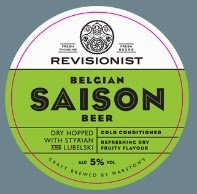
Thank you to Genevieve Upton, Brewer from Marston's Brewery, Burton on Trent (and passionate lover of all things beer) for this wonderful review of new beers from 'Revisionist'...enjoy!


Gen with the seven delicious Revisionist ales
As part of Team Revisionist, part of Marston’s new product range for 2014, I have attended a selection of events to launch these seven delights.
 
 
These seven beers offer a new perspective on seven styles, but what is it that defines each of the styles such that we could then make them our own?
 

1)      Craft Lager

Lagers are typically pale beers, though not always. They are fermented at low temperatures (around 15C) to minimise the production of esters. Ideally they have long cool conditioning periods (traditionally called lagering) of around 14-15 days, to help mature the flavour, though this isn’t always carried out and depends on the beer and the brewery.  Typically they are low in bitterness, which would indicate little body hop addition. As artisanal lagers are developed, some will now include lots of late hop addition to capture the amazing fragrances of world hops, with none of the bitterness.
 
Lager started as a winter beverage, when there was plenty of cold ice and snow to maintain low fermentation temperatures. Brewers would stock pile ice in order to ferment lagers for as much of the year as possible. It was only with the dawn of good temperature controls that lagers began to be associated with refreshing summer beverages.
 

2)      Saison

A Saison is a Belgium farmhouse beer that was fermented in winter but stored and drunk in the summer by hardworking farm hands. They have a fruity and distinctive spicy character thanks to the distinctive yeast, though historically, there was no defining characteristic for the Saison.  In modern times, Saison yeasts are descended from the yeast of the Dupont Brewery which ferments well at high temperatures – 29 – 35C! In the farmhouse environment there was much variety from farm to farm due to wild yeast contaminations. Orange zests, coriander and even ginger have been known to be added to the brew for their bacteriostatic qualities, though for this style, provided the yeast is right, there is potential for anything goes.
 

3)      Hefeweizen

With Hefe meaning yeast, and Weizen meaning wheat, this is a pretty easy definition – a yeasty wheat beer that’s cloudy in appearance. These beers are usually sweet and fruity, with the distinctive banana ester and some clove characteristics from using a Bavarian wheat beer yeast. They don’t need to be entirely wheat based, but are usually 50-70% wheat based.
 

4)      Dark IPA

To many, the Dark IPA is an oxymoron. How can a pale ale be Dark? A relatively new style, it combines the popular IPA styles of higher alcohol %, with lots of body hop for bitterness and lots of late hop for aroma. On top of that, rich dark roasted malts make this an all round drinking experience.
 
In order to be genuine, in my opinion, a pale ale of any kind should pay homage to the Burton Pale Ale and IPA routes and have a higher gypsum content in the brewing water. That gypsum helps to promote a full mouth feel and softens any excessive bitterness.
 

5)      Rye Pale Ale

For these beers, some of the barley cereal has been swooped out for Rye malt. These are usually dark crystal malts with rich red colours, but also a distinctive dryness. The American RPA style uses lots of hops as well as Rye, for aroma and bitterness, so there’s a huge confusion of dry but sweet mouthfeel, fruity aroma and character, bold bitterness and plenty of body.
 

6)      Red Ale

Red Ales were born in America, as they tried to redesign the English ale styles. Typically they have a sweet malty finish, deep red/amber colours and a hoppy aroma. They often use crystal malts, which are kilned when the grain is still wet. This caramelises the sugars and produces a delicious toffee character as well as ruby colours.
 

7)      California Common Steam Beer

This one is my revisionist beer, and I fell in love with the story of California Common beers. Harking back to the 1890s, in Gold Rush California, the demand for alcohol was ever prevelant. The Germanic settlers had brought with them a taste for lager/pilsner style beers, with low hopping rates and quaffability a great importance. However, thanks to the warm climate and lack of refrigeration techniques, the potential to ferment their lager beers at cold lager temperatures (see above) wasn’t easy. Fermentation was carried out in shallow troughs on the roof tops of tall buildings, so a combination of the cool night air at altitude would keep the temperatures from soaring. Non-the-less, these beers still fermented high, generating an ester profile and stressing the yeast. The result? A lager/ale hybrid that is refreshing and has a fruity ester profile.
 
 
Now, the Revisionist range pays homage to each of these styles in its own way. I’m not going to tell you what to expect, as different palates will pick up different flavours. They are all quite different from each other and no one beer will define this range. However, they are a great gateway range to bolder, different beer styles. I hope you might try them and I hope you will discover something new to enjoy, even if not every one is to your taste.

Monday, 24 March 2014

Sherry Tasting with Beltran Domecq... and a little bit of Harry Potter

What a weekend!

Not a bad setting!
If you haven't visited Oxford Literary Festival yet - get it in the diary for 2015! Not only a chance to attend some brilliant lectures but also sneak in some wine tasting... and of course, I booked the tickets way in advance of setting my dates for a dry two weeks, so tasting was absolutely allowed!

Set in the Great Hall at Christ Church in Oxford University ('The' Hall from Harry Potter - eeek!), the tasting was led by Beltran Domecq - a man who truly has sherry running through his veins; true Jerez royalty and President of The Consejo Regulador, regulatory body of sherry in Spain.  His introduction:

'Domecq comes from a long line of sherry and Jerez brandy producers on both his mother’s and his father’s side. He is a professionally trained oenologist and has worked for Williams Humbert Bodgeas and for the Domecq Bodegas. Domecq is the grantee – person responsible for ensuring the Royal Warrant is used correctly – for Queen Elizabeth II’s Royal Warrant for Domecq and Harvey’s sherries.' Not bad!
#selfie

Beltran guided us through the tasting of seven wines; the base wine for sherry (neutral and light, from the palomino grape) then five different styles from this base wine; Manzanilla (from Sanlucar de Barrameda, cooler coastal region), Tio Pepe (bone-dry Fino), Amontillado (a Fino that has had some ageing exposed to oxygen) and an Olorso (aged under oxygen, nutty sweet goodness via evaporation and concentration). In addition, a cream sherry and a PX, my favourite.

An excellent presentation that I had seen previously on the Consejo Regulador website, a bargain at £20.

Oxford Literary Festival, see you in 2015 (I hear there is also a Port tasting....)!


Sunday, 16 March 2014

For the love of Gin....

Following a week of tasting and written exams I am now going to attempt a ‘dry’ two weeks. Laugh you may but I’m going to do it. Never done before... place your bets now!

Enjoys climbing in spare time.
Maybe I’ve overdone it on the fortified wines and need a break, or maybe I’ve just upped my drinking game, but this week I have taken a look at some lovely home grown spirits (if I’m going dry for a bit, may as well enjoy myself for this last weekend). All available from good independents, if you can’t find them shout up and I’ll point you in the right direction.

Bedrock London Dry, Keswick England, 40%


Using water from the Lake District this is crisp and clean on the nose, bigger on the palate with citrus and hints of juniper. A real home-grown treasure.

Marmalade? Yes please.

Bombay Sapphire London Dry, England, 40% 


Did you know Bombay Sapphire is made in Hampshire?  Gently fragrant, this London gin has typical botanicals of juniper and citrus with soft spice on the finish. Perfect on a Saturday afternoon in a cocktail! You don't need a picture of this one surely....

Chase Marmalade Vodka, Hertfordshire, England, 40%


A family owned, single estate distillery that uses bespoke, handcrafted copper batch pots, plus each bottle is filled and sealed by hand. This has a golden, marmalade hue with orange zest on the nose, and a naturally rich bittersweet flavour. Definite cocktail gin but good on its own too.

Not only does it taste
good but LOOK how pretty it is!
#marketersdream

Adnams Single Malt Whisky No 1, Southwold, Suffolk, 43%


This is a tough one to get hold of and is currently sold out on the website. Keep a look out, as it is worth waiting for;  aged for over three years in new French oak casks, this limited edition whisky has hints of apricot, berry and a light spice. On the palate the classic flavours are complemented with honey and a light spice with an excellent finish.


Next week – BEER lovely beer, with brewer extrodinaire, Genevieve Upton.... watch this space!


Monday, 10 March 2014

Exams

No post this week - pre exam cramming.

Wish me luck.

If you know me - lots of spare Port/Sherry/Madeira/Muscats going - first come first serve basis...!

Until next week x


Sunday, 2 March 2014

Beer vs. Wine...

Thanks to everyone for a top night at St Paul’s Club in Birmingham last Thursday night.

Genevieve Upton of Marston's Brewery
To accompany dinner the very wonderful Genevieve Upton, brewer extraordinaire (follow her on twitter here) , talked us through the evolution of beer – from dark and delicious stouts through to modern day American- style craft ales, while sniffing fresh hops and malt. Did you know that hops were originally used to hide all the impurities of ale so it was actually drinkable? Gen’s recent creation of lovely 'Steam Beer' for Elbow went down a storm and Oyster Stout was a hit as per usual.

Here’s the lowdown on the beers….


Oyster Stout (4.5%) is a rich, creamy, dark stout - no oysters involved, it is just a reference to the old pub snacks that were enjoyed in olde worlde pubs. It's lighter and creamier than most people expected and was the beer favourite of the evening.

Sainsbury’s IPA (5.9%), brewed by Marston's for Sainsburys. This is a 5.9% Indian Pale Ale, so it's a bit stronger than your average beer but it is always a favourite. Plus it's on offer at the moment - 3 for £

Elbow (band) created this beer called 'Charge' with Genevieve - and I will say it is one of the best beers I have tried. Ok, I'm biased. Gen is my friend AND I'm bored of hoppy ales but this really is a pleasure. Fresh, easy to drink with a lovely maltiness and slight citrus overtones and (yipeeee!) not drowning in hops, which are sensitively used. Thank god.

Shipyard IPA is an American Indian Pale Ale. Ringwood Brewery brew this in the UK and in return they brew Ringwood's Old Thumper in the US. A smooth, dry, crisp ale with floral notes.

Following dinner, we did a little blind tasting of two whites and two reds – exploring some of the wines that may not be the first choice on your shopping list, but hopefully encouraging others to pick up something a little different on their next supermarket trip.

Cuvee Ressac Picpoul De Pinet, 2012  (£8.50, Marks & Spencer)
Picpoul is produced in Picpoul de Pinet, one of the oldest grape varieties grown in the Languedoc, Southern France. Clean, fresh, zingy-citrus and easy to drink this was a hit with those who liked their light and fresh Pinot Grigios.

Sendero Des Santos, Albarino 2011  (£13, Laithwaites Wines)
I love Albariño. It’s not everyone’s cup of tea as it is aromatic (this one was nicely balanced and not too floral); Oz Clarke described it as "a fresh seabreeze, acid minerality, grapefruit and apple blossom scent with a yeasty softness of texture".   If you prefer your wines with a little more body, fruit and texture, this is one for you.

Le Petit Noir Grenache 2012  (£10, Marks & Spencer)
This wine is luscious and juicy with plenty of raspberry, cranberry, mulberry and black pepper. Grenache is well known but often as part of a blend (such as Chateau Neuf du Pape) but this is well worth trying.

Touriga Nacional Tejo 2009   (£8, Marks & Spencer)
This was the star of the evening (and a few nights subsequently with me). A bargain, well done M&S. This is a Port grape used as it’s aromatic, with good colour and tannins which give it structure in ageing. This wine is floral in nose with a cream texture from the oak ageing, with warming flavours of damson and dark fruits. This really is heart-warming.      


Thanks to everyone at St. Pauls’ for a fantastic evening. See you at Beaujolais Nouveau Night!
Cheers!


Tuesday, 11 February 2014

English Wine in a Nutshell.

This week I have been lucky enough to try some delicious English wines. 

We often hear that English wines are beating Champagne in blind taste tests - but are they really that good?

In a word - yes. Due to global warming (insert debate here) vineyards are popping up over England and Wales and producing some wonderful wines.

Some bloody awful ones too.


Weather getting better?

English wine or British wine? 


Don't be fooled - British wine is really nothing like it sounds.  British wine is either concentrate or must (juice) from pretty much anywhere in the world that has been imported. So avoid this. English, or Welsh, and maybe sometime soon, Scottish wine - is as you'd expect, with grapes grown from said place.

A combination of well selected grapes (that have a stiff upper lip and can deal with our cool climate), well placed vineyards and a bunch of skilled winemakers, means we are producing some really delicious wines that are ever-improving. Vineyards are popping up all over the place, and if wines are anything like these, then we're all in for a treat.

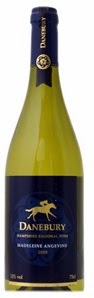
Danebury Reserve, (£12) is utterly scrumptious. From Hampshire, this beautifully wine is aromatic, fruity and well balanced with minerality. It's won a squillion awards, all well deserved. Yum.

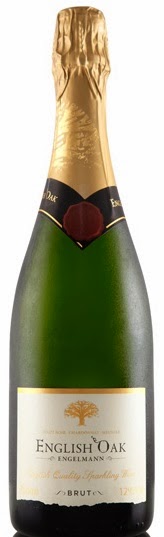
English Oak Engelmann Cuvee 2010 (£26.99) is just divine.  At this price it won't be on your weekly shop, but for an occasion (i.e. Valentine's) you should do it.  It's won awards too. It's a lovely warm gold, with fresh fruits and biscuityness on the nose, with green apples and gooseberry on the palate. Drink at any time with any food!

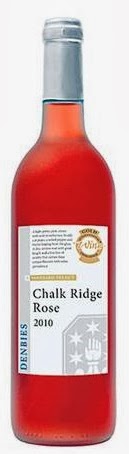
 Denbies Chalk Ridge Rosé 2011 (£11.99). Strawberries, pears and pepper. Elegant and lush. If someone bought me this on Valentine's Day I'd be a happy bunny. 

Chin chin x