Wednesday, 26 March 2014

Guest Blog Alert!

Thank you to Genevieve Upton, Brewer from Marston's Brewery, Burton on Trent (and passionate lover of all things beer) for this wonderful review of new beers from 'Revisionist'...enjoy!


Gen with the seven delicious Revisionist ales
As part of Team Revisionist, part of Marston’s new product range for 2014, I have attended a selection of events to launch these seven delights.
 
 
These seven beers offer a new perspective on seven styles, but what is it that defines each of the styles such that we could then make them our own?
 

1)      Craft Lager
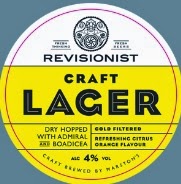
Lagers are typically pale beers, though not always. They are fermented at low temperatures (around 15C) to minimise the production of esters. Ideally they have long cool conditioning periods (traditionally called lagering) of around 14-15 days, to help mature the flavour, though this isn’t always carried out and depends on the beer and the brewery.  Typically they are low in bitterness, which would indicate little body hop addition. As artisanal lagers are developed, some will now include lots of late hop addition to capture the amazing fragrances of world hops, with none of the bitterness.
 
Lager started as a winter beverage, when there was plenty of cold ice and snow to maintain low fermentation temperatures. Brewers would stock pile ice in order to ferment lagers for as much of the year as possible. It was only with the dawn of good temperature controls that lagers began to be associated with refreshing summer beverages.
 

2)      Saison
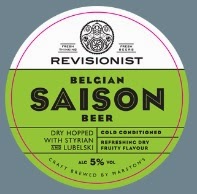
A Saison is a Belgium farmhouse beer that was fermented in winter but stored and drunk in the summer by hardworking farm hands. They have a fruity and distinctive spicy character thanks to the distinctive yeast, though historically, there was no defining characteristic for the Saison.  In modern times, Saison yeasts are descended from the yeast of the Dupont Brewery which ferments well at high temperatures – 29 – 35C! In the farmhouse environment there was much variety from farm to farm due to wild yeast contaminations. Orange zests, coriander and even ginger have been known to be added to the brew for their bacteriostatic qualities, though for this style, provided the yeast is right, there is potential for anything goes.
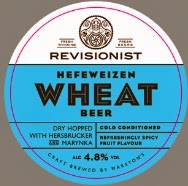
 

3)      Hefeweizen

With Hefe meaning yeast, and Weizen meaning wheat, this is a pretty easy definition – a yeasty wheat beer that’s cloudy in appearance. These beers are usually sweet and fruity, with the distinctive banana ester and some clove characteristics from using a Bavarian wheat beer yeast. They don’t need to be entirely wheat based, but are usually 50-70% wheat based.
 

4)      Dark IPA

To many, the Dark IPA is an oxymoron. How can a pale ale be Dark? A relatively new style, it combines the popular IPA styles of higher alcohol %, with lots of body hop for bitterness and lots of late hop for aroma. On top of that, rich dark roasted malts make this an all round drinking experience.
 
In order to be genuine, in my opinion, a pale ale of any kind should pay homage to the Burton Pale Ale and IPA routes and have a higher gypsum content in the brewing water. That gypsum helps to promote a full mouth feel and softens any excessive bitterness.
 

5)      Rye Pale Ale

For these beers, some of the barley cereal has been swooped out for Rye malt. These are usually dark crystal malts with rich red colours, but also a distinctive dryness. The American RPA style uses lots of hops as well as Rye, for aroma and bitterness, so there’s a huge confusion of dry but sweet mouthfeel, fruity aroma and character, bold bitterness and plenty of body.
 

6)      Red Ale

Red Ales were born in America, as they tried to redesign the English ale styles. Typically they have a sweet malty finish, deep red/amber colours and a hoppy aroma. They often use crystal malts, which are kilned when the grain is still wet. This caramelises the sugars and produces a delicious toffee character as well as ruby colours.
 

7)      California Common Steam Beer

This one is my revisionist beer, and I fell in love with the story of California Common beers. Harking back to the 1890s, in Gold Rush California, the demand for alcohol was ever prevelant. The Germanic settlers had brought with them a taste for lager/pilsner style beers, with low hopping rates and quaffability a great importance. However, thanks to the warm climate and lack of refrigeration techniques, the potential to ferment their lager beers at cold lager temperatures (see above) wasn’t easy. Fermentation was carried out in shallow troughs on the roof tops of tall buildings, so a combination of the cool night air at altitude would keep the temperatures from soaring. Non-the-less, these beers still fermented high, generating an ester profile and stressing the yeast. The result? A lager/ale hybrid that is refreshing and has a fruity ester profile.

 
 
Now, the Revisionist range pays homage to each of these styles in its own way. I’m not going to tell you what to expect, as different palates will pick up different flavours. They are all quite different from each other and no one beer will define this range. However, they are a great gateway range to bolder, different beer styles. I hope you might try them and I hope you will discover something new to enjoy, even if not every one is to your taste.

Monday, 24 March 2014

Sherry Tasting with Beltran Domecq... and a little bit of Harry Potter

What a weekend!

Not a bad setting!
If you haven't visited Oxford Literary Festival yet - get it in the diary for 2015! Not only a chance to attend some brilliant lectures but also sneak in some wine tasting... and of course, I booked the tickets way in advance of setting my dates for a dry two weeks, so tasting was absolutely allowed!

Set in the Great Hall at Christ Church in Oxford University ('The' Hall from Harry Potter - eeek!), the tasting was led by Beltran Domecq - a man who truly has sherry running through his veins; true Jerez royalty and President of The Consejo Regulador, regulatory body of sherry in Spain.  His introduction:

'Domecq comes from a long line of sherry and Jerez brandy producers on both his mother’s and his father’s side. He is a professionally trained oenologist and has worked for Williams Humbert Bodgeas and for the Domecq Bodegas. Domecq is the grantee – person responsible for ensuring the Royal Warrant is used correctly – for Queen Elizabeth II’s Royal Warrant for Domecq and Harvey’s sherries.' Not bad!
#selfie

Beltran guided us through the tasting of seven wines; the base wine for sherry (neutral and light, from the palomino grape) then five different styles from this base wine; Manzanilla (from Sanlucar de Barrameda, cooler coastal region), Tio Pepe (bone-dry Fino), Amontillado (a Fino that has had some ageing exposed to oxygen) and an Olorso (aged under oxygen, nutty sweet goodness via evaporation and concentration). In addition, a cream sherry and a PX, my favourite.

An excellent presentation that I had seen previously on the Consejo Regulador website, a bargain at £20.

Oxford Literary Festival, see you in 2015 (I hear there is also a Port tasting....)!


Sunday, 16 March 2014

For the love of Gin....

Following a week of tasting and written exams I am now going to attempt a ‘dry’ two weeks. Laugh you may but I’m going to do it. Never done before... place your bets now!

Enjoys climbing in spare time.
Maybe I’ve overdone it on the fortified wines and need a break, or maybe I’ve just upped my drinking game, but this week I have taken a look at some lovely home grown spirits (if I’m going dry for a bit, may as well enjoy myself for this last weekend). All available from good independents, if you can’t find them shout up and I’ll point you in the right direction.

Bedrock London Dry, Keswick England, 40%


Using water from the Lake District this is crisp and clean on the nose, bigger on the palate with citrus and hints of juniper. A real home-grown treasure.

Marmalade? Yes please.

Bombay Sapphire London Dry, England, 40% 


Did you know Bombay Sapphire is made in Hampshire?  Gently fragrant, this London gin has typical botanicals of juniper and citrus with soft spice on the finish. Perfect on a Saturday afternoon in a cocktail! You don't need a picture of this one surely....

Chase Marmalade Vodka, Hertfordshire, England, 40%


A family owned, single estate distillery that uses bespoke, handcrafted copper batch pots, plus each bottle is filled and sealed by hand. This has a golden, marmalade hue with orange zest on the nose, and a naturally rich bittersweet flavour. Definite cocktail gin but good on its own too.

Not only does it taste
good but LOOK how pretty it is!
#marketersdream

Adnams Single Malt Whisky No 1, Southwold, Suffolk, 43%


This is a tough one to get hold of and is currently sold out on the website. Keep a look out, as it is worth waiting for;  aged for over three years in new French oak casks, this limited edition whisky has hints of apricot, berry and a light spice. On the palate the classic flavours are complemented with honey and a light spice with an excellent finish.


Next week – BEER lovely beer, with brewer extrodinaire, Genevieve Upton.... watch this space!


Monday, 10 March 2014

Exams

No post this week - pre exam cramming.

Wish me luck.

If you know me - lots of spare Port/Sherry/Madeira/Muscats going - first come first serve basis...!

Until next week x


Sunday, 2 March 2014

Beer vs. Wine...

Thanks to everyone for a top night at St Paul’s Club in Birmingham last Thursday night.

Genevieve Upton of Marston's Brewery
To accompany dinner the very wonderful Genevieve Upton, brewer extraordinaire (follow her on twitter here) , talked us through the evolution of beer – from dark and delicious stouts through to modern day American- style craft ales, while sniffing fresh hops and malt. Did you know that hops were originally used to hide all the impurities of ale so it was actually drinkable? Gen’s recent creation of lovely 'Steam Beer' for Elbow went down a storm and Oyster Stout was a hit as per usual.

Here’s the lowdown on the beers….


Oyster Stout (4.5%) is a rich, creamy, dark stout - no oysters involved, it is just a reference to the old pub snacks that were enjoyed in olde worlde pubs. It's lighter and creamier than most people expected and was the beer favourite of the evening.

Sainsbury’s IPA (5.9%), brewed by Marston's for Sainsburys. This is a 5.9% Indian Pale Ale, so it's a bit stronger than your average beer but it is always a favourite. Plus it's on offer at the moment - 3 for £

Elbow (band) created this beer called 'Charge' with Genevieve - and I will say it is one of the best beers I have tried. Ok, I'm biased. Gen is my friend AND I'm bored of hoppy ales but this really is a pleasure. Fresh, easy to drink with a lovely maltiness and slight citrus overtones and (yipeeee!) not drowning in hops, which are sensitively used. Thank god.

Shipyard IPA is an American Indian Pale Ale. Ringwood Brewery brew this in the UK and in return they brew Ringwood's Old Thumper in the US. A smooth, dry, crisp ale with floral notes.

Following dinner, we did a little blind tasting of two whites and two reds – exploring some of the wines that may not be the first choice on your shopping list, but hopefully encouraging others to pick up something a little different on their next supermarket trip.

Cuvee Ressac Picpoul De Pinet, 2012  (£8.50, Marks & Spencer)
Picpoul is produced in Picpoul de Pinet, one of the oldest grape varieties grown in the Languedoc, Southern France. Clean, fresh, zingy-citrus and easy to drink this was a hit with those who liked their light and fresh Pinot Grigios.

Sendero Des Santos, Albarino 2011  (£13, Laithwaites Wines)
I love Albariño. It’s not everyone’s cup of tea as it is aromatic (this one was nicely balanced and not too floral); Oz Clarke described it as "a fresh seabreeze, acid minerality, grapefruit and apple blossom scent with a yeasty softness of texture".   If you prefer your wines with a little more body, fruit and texture, this is one for you.

Le Petit Noir Grenache 2012  (£10, Marks & Spencer)
This wine is luscious and juicy with plenty of raspberry, cranberry, mulberry and black pepper. Grenache is well known but often as part of a blend (such as Chateau Neuf du Pape) but this is well worth trying.

Touriga Nacional Tejo 2009   (£8, Marks & Spencer)
This was the star of the evening (and a few nights subsequently with me). A bargain, well done M&S. This is a Port grape used as it’s aromatic, with good colour and tannins which give it structure in ageing. This wine is floral in nose with a cream texture from the oak ageing, with warming flavours of damson and dark fruits. This really is heart-warming.      


Thanks to everyone at St. Pauls’ for a fantastic evening. See you at Beaujolais Nouveau Night!
Cheers!


Tuesday, 11 February 2014

English Wine in a Nutshell.

This week I have been lucky enough to try some delicious English wines. 

We often hear that English wines are beating Champagne in blind taste tests - but are they really that good?

In a word - yes. Due to global warming (insert debate here) vineyards are popping up over England and Wales and producing some wonderful wines.

Some bloody awful ones too.


Weather getting better?

English wine or British wine? 


Don't be fooled - British wine is really nothing like it sounds.  British wine is either concentrate or must (juice) from pretty much anywhere in the world that has been imported. So avoid this. English, or Welsh, and maybe sometime soon, Scottish wine - is as you'd expect, with grapes grown from said place.

A combination of well selected grapes (that have a stiff upper lip and can deal with our cool climate), well placed vineyards and a bunch of skilled winemakers, means we are producing some really delicious wines that are ever-improving. Vineyards are popping up all over the place, and if wines are anything like these, then we're all in for a treat.

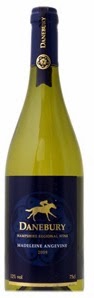
Danebury Reserve, (£12) is utterly scrumptious. From Hampshire, this beautifully wine is aromatic, fruity and well balanced with minerality. It's won a squillion awards, all well deserved. Yum.

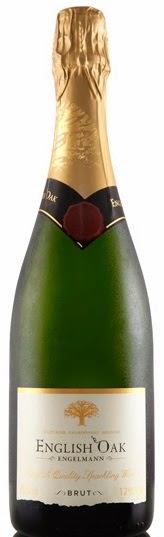
English Oak Engelmann Cuvee 2010 (£26.99) is just divine.  At this price it won't be on your weekly shop, but for an occasion (i.e. Valentine's) you should do it.  It's won awards too. It's a lovely warm gold, with fresh fruits and biscuityness on the nose, with green apples and gooseberry on the palate. Drink at any time with any food!

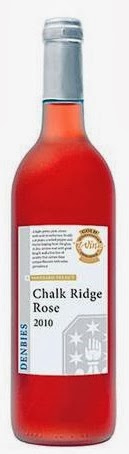
 Denbies Chalk Ridge Rosé 2011 (£11.99). Strawberries, pears and pepper. Elegant and lush. If someone bought me this on Valentine's Day I'd be a happy bunny. 

Chin chin x

Saturday, 1 February 2014

Sherry, Sherry Baby

Mini Cheddars + cuppa =
everything is possible.

I always thought I preferred the song to the drink. 


Turns out I was wrong. 


Tasked with tucking into a 'couple' of sherries for my course at 10am this Monday morning, there were definitely other things I'd rather have been doing (like drinking Port. Or whisky. Incidentally, I HAVE discovered this week that whisky, Sauternes and Beernauslese are all yummy on porridge. For another day). 


My thoughts on sherry were probably not dissimilar to those of most other people; Harvey’s Bristol Cream, Christmas, Auntie X singing along to Johnny Mathis.

Very wrong. Look at all these lovelies, which barely scratch the surface.


Fino, Manzanilla, Manzanilla Pasada, Amontillado,
Oloroso, Oloroso Dulce.... who knew?!
So - elephant in the room - sherry is NOT cool. Who cares?  My usual mantra of 'give it a go' applies here - try a few - if you find one you like, it's always good to have a few secret weapons in the old drinks cupboard.

So 'Sherry, Jerez or Xeres' is in an area in Andalucía, SW Spain that has a DO - a restricted area (same as the French AOC/appellation) - for sherry production, so it can only be produced here. This 'DO' protects the specific characteristics of the climate, geography and heritage and produces, some may say, the finest Spanish wines. Sherry is fortified (alcohol is added to it) like many other wines such as Port and Madeira, however sherry is fortified after fermentation, meaning that the drink is naturally dry  (i.e. all the sugars have been turned to alcohol) so any sweetness is usually due to a sweetener (nothing scary - usually just grape must). There are always exceptions, of course. This is bloody wine we are talking about. 

from sherryvinegar.com

So, what's the difference?

Well, there are three main categories. Dry, naturally sweet and blended sweet. All are aged in a barrel system which is topped from the top, then feeds down through the layers. This is called the solera system and helps give this drink it's character; unlike other wines it isn't the grape that adds the character, but the ageing process.


Dry Sherry

You will have heard of a Fino; light, fresh and aged under a layer of 'flor' (yeast) which keeps it fresh and stops it reacting with the air.  If the yeast is allowed to die, the sherry can react a little with the air. This then becomes Amontillado and has the character of both ageing with and without oxygen.

Manzanilla is pretty much Fino, but it comes from a specific place on the coast, Sanlucar de Barrameda, which gives it a slightly different taste to the Fino from Jerez. It can be aged for a little bit, when the yeast begins to die, it slightly oxidises. It is then called Pasada Manzanilla.  

Oloroso is the opposite of Fino in that it has no protective layer of flor, so reacts with the oxygen, giving it a darker colour and a dry, nutty character.

 Palo Cortado is a confusing one as no real guidance on production exists - but it sits somewhere between a Fino and an Amontillado.


Naturally Sweet Sherry

These include Moscadel and Pedro Ximinéz, a naturally sweet, sticky black sherry that goes well with pudding. Or on pudding. Well worth a buy.


Blended Sweet Sherry


Roll out your Nan. These are the Cream Sherry, Pale Creams, and Medium Sherry. Given I've not tried them all, but so far not my bag baby, but knock yourself out. 
Oloroso

What to try?

Ok, interesting wines for the cupboard. Top three from my selection. Many sherries have a distinct character which can take a little to get your head around if you haven't tried it before. Give it a go - you will be pleasantly surprised. 


Number 3: Oloroso (not a sweetened one). I love this. Nutty, bone dry - it is an acquired taste.  But the bottle disappeared after the first few days so I figure Barnett HQ quite liked it. £6 from Tesco (50cl)

Fino
PX - Sticky
and sweet
Number 2: A damn good Fino.  Delicate and fresh, this is very versatile.  £13.99 (50cl) from Waitrose this is 'a rare wine with exceptional finesse and delicacy of aroma'.


Number 1: Pedro Ximinéz. Without a doubt. Luscious, sticky, black and thick, it oozes raisins, sticky figs and dates. Good after dinner on ice cream.  PX is made from drying and concentrating an already ludicrously sweet grape, turning it into this black beauty. A really different wine that is more like a thick, gooey liquor. £7.99 from Sainsbury’s (50cl). Yum.

I can't get to this end and ignore Manzanilla Pasada, so I am adding in a star buy. This was my favourite discovery in this week's tastings.... 

Pasada Manzanilla
Hidalgo Manzanilla Pasada Pastrana, £12.99 from Waitrose. It's a Manzanilla sourced from a single-vineyard, it's dry and with a slight salty tang, character of its maturation on the coast. Pasada refers to the 12 years in oak casks. Enjoy!